
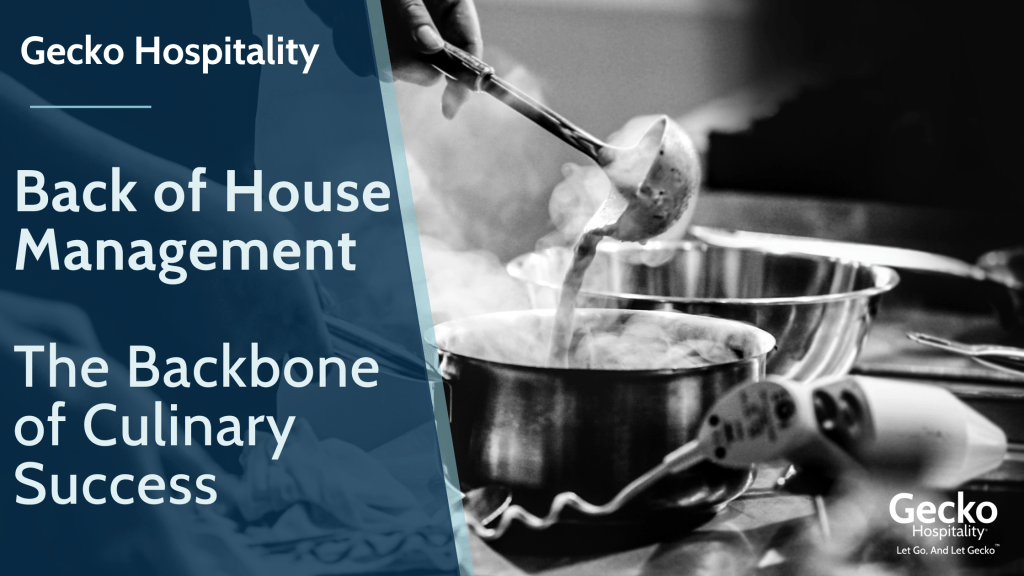
The culinary world thrives on the seamless integration of front-of-house charm and back-of-house efficiency. While diners often marvel at the ambiance and service, the true backbone of any successful restaurant lies in its back-of-house management. Let’s explore the pivotal role that back-of-house operations play in the culinary industry and how effective management can make or break a restaurant.
The Importance of Back of House Management in the Culinary World
Back of house management encompasses everything behind the scenes that ensures the smooth running of a restaurant. From inventory control to kitchen hygiene, these operations are critical to delivering a memorable dining experience. Effective back-of-house management isn’t just about keeping the kitchen running; it’s about creating a symphony where every element works in perfect harmony to deliver exceptional food and service.
The Role of Back of House Management in Ensuring Operational Efficiency
Operational efficiency in a restaurant is largely dependent on how well the back-of-house is managed. It involves:
- Streamlined Processes: Ensuring that kitchen workflows are optimized for speed and efficiency.
- Inventory Management: Keeping track of supplies to prevent shortages and reduce waste.
- Staff Coordination: Ensuring that chefs and kitchen staff work seamlessly together.
- Quality Control: Maintaining high standards of food safety and hygiene.
A well-managed back-of-house operation minimizes errors, reduces waste, and enhances overall productivity.
Key Responsibilities of Back of House Managers and Chefs
Back-of-house managers and chefs have a multitude of responsibilities, including:
- Menu Planning: Collaborating with head chefs to create and update menus that meet customer preferences and seasonal availability.
- Staff Training: Regularly training kitchen staff on new techniques, safety protocols, and hygiene standards.
- Equipment Maintenance: Ensuring that all kitchen equipment is in good working order to prevent downtime.
- Cost Control: Managing food costs by minimizing waste and negotiating with suppliers for the best prices.
Strategies for Effective Back of House Management
Here are some strategies to ensure your back-of-house operations run smoothly:
- Implement a Robust Inventory System: Use digital tools to keep track of stock levels in real-time, reducing the risk of over-ordering or stockouts.
- Regular Training and Development: Continuously train your team on new recipes, techniques, and safety standards.
- Optimize Kitchen Layout: Design your kitchen layout to minimize movement and improve workflow efficiency.
- Maintain Open Communication: Foster a culture of open communication between front and back-of-house staff to ensure everyone is on the same page.
Challenges Faced in Back of House Operations and How to Overcome Them
Back-of-house operations come with their own set of challenges:
- High Staff Turnover: Invest in staff retention programs and create a positive work environment.
- Food Safety and Hygiene: Regularly audit your kitchen for compliance with health and safety regulations.
- Inventory Management: Use reliable software to keep track of inventory and automate reordering processes.
- Operational Costs: Implement cost-control measures like portion control and energy-efficient kitchen appliances.
Conclusion – The Future of Back of House Management
The future of back-of-house management looks promising with the advent of technology and automation. Restaurants that invest in advanced inventory systems, staff training, and sustainable practices are likely to see significant improvements in efficiency and profitability.
In a fast-paced industry where customer expectations are continually evolving, effective back-of-house management is not just a luxury but a necessity. By focusing on operational efficiency, quality control, and staff coordination, you can ensure that your restaurant remains at the pinnacle of culinary excellence.
Ready to take your back-of-house management to the next level?

 Savvy Success
Leave a comment